Saudi Arabia
Event Management Company in Saudi Arabia
A working guide to planning and delivering events across the Kingdom, from choosing a city to managing permits, suppliers and production on the ground.
Saudi Arabia is not one market with one set of rules. An event in Riyadh runs on different logistics, timelines and audience expectations than one in Jeddah, Dammam or AlUla, and a company that only knows the capital will struggle the moment a brief moves to a second city. The Concept is a Bahrain-headquartered events, exhibitions and production company with a in-Kingdom production house in Riyadh, and we deliver across Saudi Arabia on that basis: a bilingual team that understands the country's regional differences, backed by local production capacity rather than a single-city office.
This page is written for planners, brand managers and government or private-sector teams who are evaluating how event management actually works in Saudi Arabia, and what questions to ask before committing to a supplier. It covers the cities events are commonly held in, the main event formats we work on, the practical checklist for vetting a partner, and the seasonal and regulatory factors that shape a Saudi event calendar. It is not a sales pitch for one city or one event type; it is a map of the terrain.
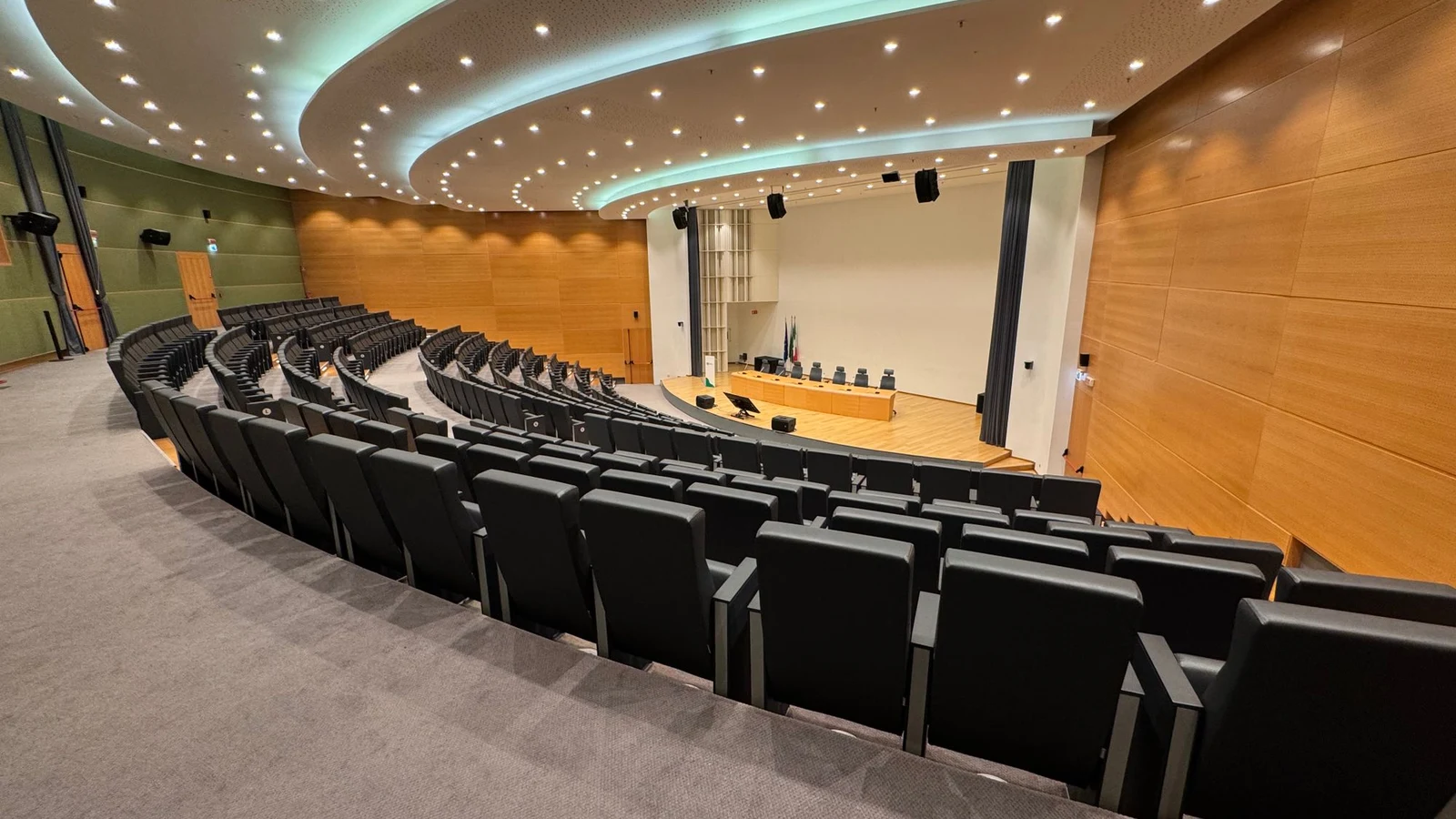
Where events happen in Saudi Arabia
Most Saudi events concentrate in a handful of cities, each with a distinct character. Riyadh, as the administrative and business capital, carries the heaviest load of conferences, corporate launches and government-adjacent events; venue supply, convention centres and vendor density are deepest there. We cover Riyadh in detail on our dedicated Riyadh event management page, including venue types and local logistics, so we keep this section brief and point you there for a city-level deep dive.
Jeddah, as the Kingdom's commercial gateway on the Red Sea, hosts a different mix: trade-facing events, retail and lifestyle launches, and events tied to the Hajj and Umrah economy given its proximity to Makkah and Madinah. The Eastern Province, covering Dammam, Al Khobar and Dhahran, is where energy-sector conferences, industrial exhibitions and corporate events for companies headquartered near the Gulf coast tend to sit, and it has its own venue and supplier landscape distinct from the central or western regions.
AlUla and the newer destination regions
AlUla has emerged as a venue for festivals, cultural events and high-profile gatherings set against desert and heritage landscapes, with logistics shaped by its remoteness: power, staging and crew often need to be brought in rather than sourced locally. Red Sea and NEOM-region destinations are following a similar pattern as infrastructure develops, and events held there generally require more lead time for freight, accommodation and permits than a city-centre venue would. For a broader view of regional differences across the Kingdom, see our Saudi regions overview and our dedicated AlUla page.
Choosing a city for your event
The right city depends on who you are trying to reach and what the event needs to do. A B2B conference aimed at government stakeholders usually sits best in Riyadh, close to ministries and head offices. A consumer launch with retail distribution may perform better in Jeddah, where lifestyle and shopping audiences are concentrated. An industrial or energy-sector event often makes more sense in the Eastern Province, close to the companies and plants the audience actually works in.
Travel patterns matter too. If a meaningful share of attendees are flying in from outside the Kingdom, Riyadh and Jeddah both have strong international connectivity, while Dammam connects well to the wider Gulf. If the event is designed as a destination experience in its own right — a festival, an incentive trip, a brand activation meant to be memorable rather than purely functional — AlUla or a Red Sea location can justify the extra logistics cost through the experience itself.
Event types and formats
Saudi Arabia's event calendar spans a wide range of formats, each with its own planning rhythm. Conferences and summits need registration systems, speaker management, simultaneous interpretation where Arabic and English audiences mix, and AV setups built for long multi-session days. Product and brand launches tend to be shorter and more intense, with a premium on staging, lighting and a single standout moment rather than a full-day programme.
Galas and official ceremonies carry their own protocol requirements, particularly where government officials or royal patronage is involved, and need careful attention to seating, sequencing and media handling. Festivals and public events bring crowd management, safety planning and multi-day production into play, while internal company events — town halls, anniversaries, incentive events — are usually smaller but still need the same discipline around AV, content and run-of-show. Exhibition presence, whether as an organiser or as a brand building a stand within a larger trade show, is its own discipline again and is covered in more depth on our event management and event production service pages.
- Conferences and summits (multi-session, bilingual, registration-heavy)
- Product and brand launches (short, staging- and lighting-led)
- Galas and official ceremonies (protocol-sensitive)
- Festivals and public events (crowd and safety management)
- Internal corporate events (town halls, incentives, anniversaries)
- Exhibition stands and trade show presence
A quick note on corporate events
Corporate events — conferences, product launches, internal gatherings and client functions — are a large enough category that we cover the format in its own right on our corporate event company Saudi Arabia page, including how objectives shape format and how a corporate brief typically moves from concept to delivery. If your event sits squarely in that category, that page is the better starting point; this page stays focused on the national, cross-city view.
How to evaluate an event management partner in Saudi Arabia
Choosing a partner for an event in the Kingdom is different from choosing one for a single-city market elsewhere, because so much of the risk sits in logistics and regulation rather than creative concepting. A short checklist helps separate a company that can plan an event from one that can actually deliver it on Saudi ground.
Checklist before you sign
Ask how the company handles the permit process for your event type and venue, whether it can deliver bilingually in Arabic and English across planning documents and on-site staffing, and whether production — staging, AV, LED, sound, lighting, scenic and set fabrication — is handled in-house or fully subcontracted. Confirm how it approaches safety planning and crowd management for the expected attendance, how it manages suppliers and vendor accountability, and how budgets, contracts and payment milestones are structured. Ask whether event insurance is arranged and by whom, and get a straight answer on timelines rather than a vague assurance.
- Permit process and who is responsible for filing
- Bilingual delivery: documents, staffing, on-site communication
- In-house vs subcontracted production (staging, AV, scenic)
- Safety planning and crowd management approach
- Supplier and vendor management structure
- Budget transparency, contract terms and payment milestones
- Insurance arrangements
- Realistic timeline for your event date
Permits, regulation and working with local entities
Event permitting in Saudi Arabia runs through a defined process that varies by event type, venue and city, and the requirements for a conference in a hotel ballroom differ from those for a public festival or an outdoor activation. We go through the permit process in more detail in a dedicated guide — see how to get event permits in Saudi Arabia — rather than repeating it in full here, but the principle that matters most at the evaluation stage is simple: no credible partner should promise a guaranteed permit outcome or a fixed turnaround, because approval sits with the relevant authority, not the event company.
Many Saudi events today involve coordination with government bodies, giant-project authorities or entities operating under the country's Vision 2030-era development programme. Working with these organisations generally means more formal documentation, longer approval chains and stricter brand or protocol guidelines than a purely private commercial event, so building extra review time into the schedule is sensible from the outset.
Seasons, timing and the Saudi event calendar
Timing an event in Saudi Arabia means working around a calendar that is different from most Western markets. Ramadan significantly compresses working hours and shifts social gatherings to evening iftar and suhoor formats, and most organisations avoid scheduling major daytime conferences or launches during the month. The Hajj period brings a surge in travel, accommodation demand and road and airport congestion focused on Makkah, Madinah and the Jeddah corridor, which affects logistics for any event in the western region even if it is not Hajj-related itself.
Summer heat makes outdoor events in most of the Kingdom impractical between roughly June and September, pushing festivals and open-air activations toward autumn, winter and spring. Winter, by contrast, is the peak season for public events, destination festivals and large outdoor gatherings, which also means venue and crew availability tightens and earlier booking matters more. A realistic planning calendar accounts for all of this well before a date is fixed.
Local workforce and delivery considerations
Saudi Arabia's workforce nationalisation requirements affect staffing across industries, including events, and any company delivering event services in the Kingdom should be able to speak generally to how it structures its crew and whether it works with licensed local labour where required. This is a practical compliance question worth raising with any partner rather than a detail to leave until after contracts are signed.
Our own approach is to combine our Bahrain-based team with our production house in Riyadh, which gives us an in-Kingdom base for staging, fabrication and crew coordination rather than relying solely on remote planning. Scenic and set fabrication, exhibition stands and brand activation builds are handled through that production capacity, with bilingual project management coordinating between client, venue and authorities throughout.
Planning timelines that actually work
A realistic Saudi event timeline allows for permit lead time, supplier sourcing in the relevant city, and buffer around Ramadan, Hajj and peak-season booking windows rather than assuming a Western-market schedule will transfer directly. Conferences and launches generally need longer runways than internal events, and anything involving AlUla, a Red Sea destination or an outdoor festival needs additional time for freight, accommodation and weather contingency.
If you are early in the process and still defining scope, our guide on how to write an RFP for event management services is a useful reference for structuring a brief that gets comparable, specific proposals back from suppliers rather than vague ones.
Frequently asked questions
Do you have an office in Saudi Arabia?
The Concept is headquartered in Manama, Bahrain, with a production house in Riyadh that supports in-Kingdom delivery. We work across Saudi Arabia from that base rather than claiming offices we do not have.
Which Saudi cities do you cover?
We deliver events across the Kingdom, including Riyadh, Jeddah, Dammam, Al Khobar and Dhahran in the Eastern Province, and destination locations such as AlUla, with logistics adjusted for each city.
Can you handle event permits in Saudi Arabia?
We guide clients through the permit process relevant to their event type and venue. Final approval always sits with the relevant Saudi authority, and no event company can guarantee an outcome or a fixed turnaround.
Do you work bilingually in Arabic and English?
Yes. Our team delivers planning documents, on-site communication and staffing bilingually, which matters for government-facing events and for audiences that mix Arabic and English speakers.
What production services do you provide in the Kingdom?
Staging, AV, LED, sound and lighting delivery, scenic and set fabrication, exhibition stands, brand activations, registration and hospitality coordination are all handled through our team and our Riyadh production house.
How does Ramadan affect event planning in Saudi Arabia?
Working hours compress and daytime scheduling becomes impractical, so most organisations shift to evening formats or move the event outside the month entirely. Planning this in from the start avoids late schedule changes.
How far in advance should we start planning?
This depends on event type and location: a conference in Riyadh or Jeddah needs a different runway than a festival in AlUla or an event during peak winter season, when venue and supplier availability tighten. We can advise on a realistic timeline once we know the brief.
How do we start the conversation?
Share your event brief through our quote request page, or reach us directly at info@the-concept.me, by phone at +973 3838 8827, or on WhatsApp.
Planning an event in Saudi Arabia?
Tell us the city, the event type and the dates you are considering, and we will walk you through what delivery looks like on the ground.
Request a proposal · info@the-concept.me · WhatsApp +973 3838 8827