Drone Light Show Saudi Arabia: Creative Event Production
Aerial storytelling for launches, ceremonies, festivals and national celebrations. The Concept WLL brings the creative brief, specialist drone show delivery and ground production together around one event plan.
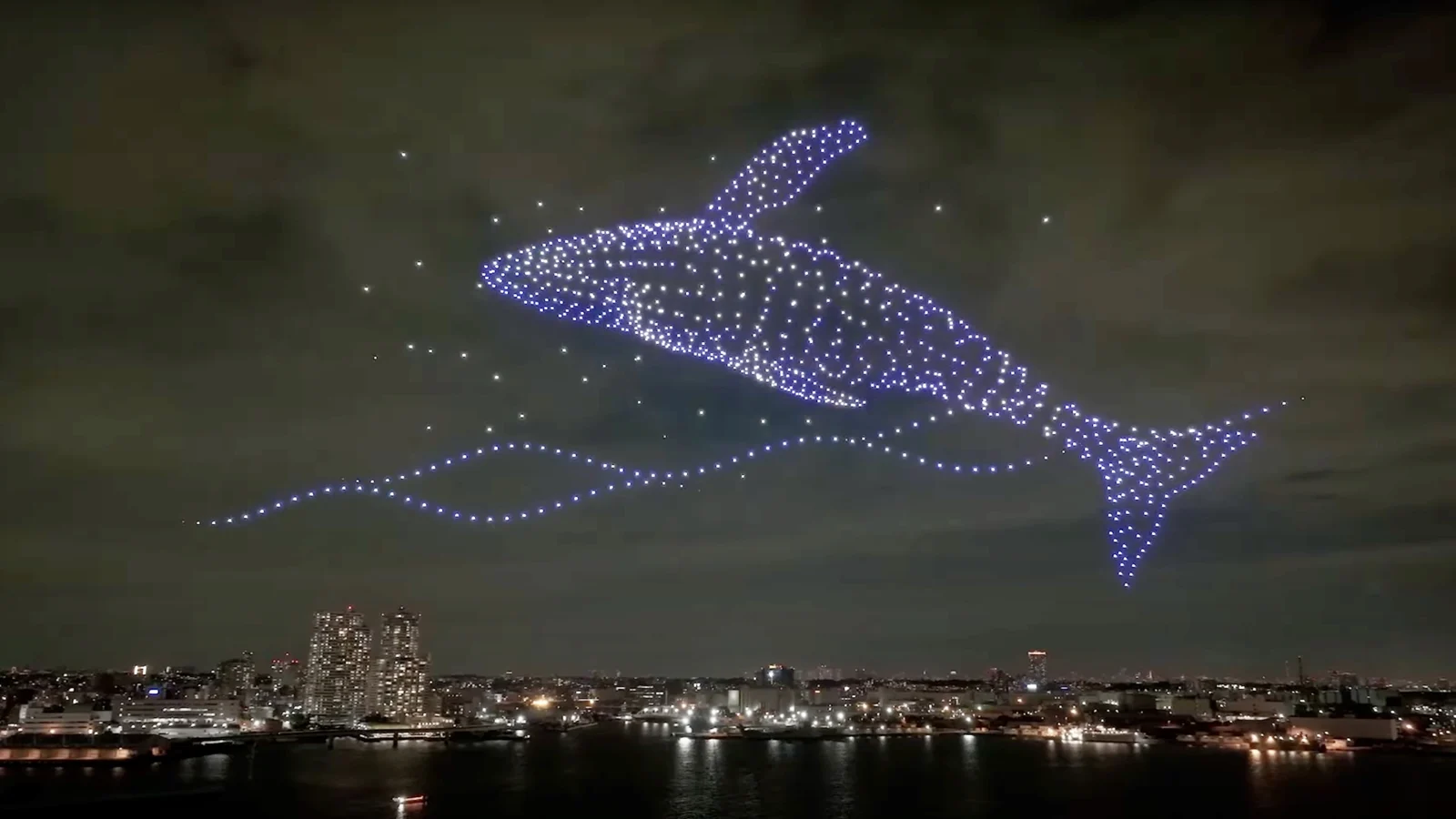
A drone light show in Saudi Arabia can turn the sky above an event into a shared moment: a recognisable brand symbol, a story unfolding through shapes and movement, or a closing image that connects with the theme of a celebration. The creative challenge is not simply to put a logo in the air. It is to make the sequence readable from the audience area, connect it to the live programme and give spectators a clear reason to watch from the first formation to the final transition.
The Concept WLL produces drone light shows as part of a coordinated event experience, working with specialist drone show operators for flight delivery. Our role connects creative development, client approvals, technical planning, ground production and show cues. From Bahrain headquarters and Riyadh production capability, we plan projects in Saudi Arabia and Bahrain with the relevant site and operating requirements assessed for each brief. Riyadh, Jeddah and the Eastern Province each bring different audience settings and site constraints; the show is designed around the actual location rather than a generic city package.
This is a service page, not a listing for a particular festival or announced performance. Your event date, site and flight plan are assessed individually. Operator credentials, aviation and site permissions, safety arrangements and weather limits form part of that assessment before a flight commitment is made.
Aerial storytelling built around your event
The strongest brief starts with one message and a defined place in the programme. For a product launch, the aerial sequence might reveal a product outline before the ground presentation. At an inauguration, it can connect the identity of the project with a ceremonial cue. For a festival, it can provide a recognisable closing moment that the audience can see together. We shape the narrative around the purpose of the occasion, not a catalogue of unrelated formations.
We develop a storyboard showing the intended images, their order, transitions and relationship to music or spoken content. Brand assets need to be adapted for a large aerial canvas: fine lettering, small details and complex illustrations may not read clearly at a distance. Simplifying a design is a creative decision, not a loss of identity. The specialist operator then assesses formation feasibility, spacing, movement and the flight resources needed to turn the approved story into an executable sequence.
Brand and product launches
Translate approved identity elements into a readable aerial reveal, with ground screens, stage lighting and the presenter cue planned around the same moment.
Opening and inauguration ceremonies
Develop a sequence that supports the ceremonial order, VIP programme and audience sightlines, with an agreed holding cue if the live schedule changes.
Festival and public-event finales
Create a coherent closing story that works from the designated viewing zone and connects to the music, lighting and audience-management plan.
National and corporate celebrations
Build a visual narrative from approved themes, symbols and messaging, with cultural and brand review completed before flight programming is locked.
Site feasibility before choreography is locked
A promising location still needs a practical feasibility review. The launch and recovery area must be assessed separately from the audience viewing area. Buildings, trees, nearby roads, public access, surrounding land use and the intended viewing direction all affect whether the concept can work there. A city skyline is not a substitute for a surveyed operating site. For waterfront settings, exposed weather and public circulation deserve particular attention; for urban settings, nearby aviation activity and neighbouring properties can shape the available options.
We collect the site plan, event footprint, proposed audience position and any available technical information, then coordinate review with the specialist flight operator and the site team. The operator establishes the flight envelope, separation requirements and operating limits for the proposed deployment. The production plan identifies who provides site access, who controls the launch area and how the audience stays outside restricted zones. These responsibilities should be agreed before suppliers are booked around a location that has not been cleared.
Permissions are project-specific. The required aviation, landowner, venue and event-authority interfaces are identified for the actual country and site, with responsibilities and documentation agreed in the proposal. Our production coordination connects those interfaces; it does not replace the authority decision or the operator’s responsibility for safe flight. Where a proposed site is unsuitable, a different viewing layout or operating location should be assessed before creative work progresses further.
Sound, lighting and screens on one cue plan
The audience experiences one show, even when separate specialist teams deliver it. Music, announcements, stage lighting, screens and the drone sequence therefore need a common running order. We establish the key cues, the people authorised to call them and the communication path between the show caller and flight team. Depending on the agreed technical setup, synchronisation may use timecode or a coordinated cue sequence; the method is confirmed with the operator rather than assumed in advance.
Ground lighting should support the aerial display rather than compete with it. We review which architectural, stage and audience lights remain on, which can be reduced and which must stay active for safety. Screen content can introduce the narrative, guide audience attention or carry a holding message, but its brightness and position need consideration. Audio coverage is designed for the designated viewing zone, so spectators can follow the soundtrack without relying on a phone recording or distant stage speakers.
Rehearsal is as much about handovers as it is about content. We test the music playback, communication channels, screen transitions and holding cues, and agree what happens if the live ceremony runs late. A VIP arrival or speech should not leave the flight team guessing. Clear decision points let the show caller maintain the programme while the operator retains control over flight readiness and the go/no-go decision.
Audience experience, weather and contingency planning
A clear view is essential. We plan the viewing area, orientation and programme messaging so the audience knows where to look without being encouraged into restricted space. Entry, exit and surrounding event activity need to remain workable during the performance. Camera positions are reviewed from the same audience perspective: a strong aerial formation can appear distorted when filmed too far to one side, while bright foreground lighting can reduce the visibility of the drone points.
Outdoor flight depends on the operator’s assessed weather and technical limits. Wind, precipitation, visibility and other site conditions can affect readiness. We include agreed decision times, communication responsibilities and a holding or alternative ground sequence in the event plan. The client should understand the postponement or cancellation provisions before approval, including what happens to the wider programme and any repeat performance. A contingency is a defined production response, not a promise that the aircraft will fly in every condition.
For events with several programme zones, the drone show should be scheduled where it has a clear role rather than layered over another headline moment. We review nearby sound sources, stage activity and audience movement with the organiser. This keeps the story legible and gives operational teams a predictable period to manage the viewing area. The result is a show planned as part of the event, not an isolated supplier arrival.
What determines a drone show quotation
The quotation follows the creative and operating brief. Formation complexity, image detail, sequence duration, number of performances, site location, mobilisation, content development and the ground production scope all influence cost. Drone count is a technical and creative choice made with the specialist operator; it is not a useful starting promise before the images and viewing distance are understood. A simpler, more readable sequence may serve the event better than an ambitious design that cannot be recognised from the audience zone.
We separate the proposed creative work, specialist flight delivery, site interfaces and ground sound, lighting or screens so you can see what is included. The proposal records client-supplied assets, artwork approval milestones, site information still required, technical assumptions and approval dependencies. Where the event needs filming, editing or a second performance, those items are agreed explicitly rather than hidden inside a broad package label. Dates remain subject to the agreed production schedule, operator availability and the necessary permissions.
Scope available for your drone light show
- Creative brief, narrative development and storyboard for the aerial sequence
- Brand asset adaptation and client review of proposed formations
- Specialist drone show operator coordination and technical feasibility review
- Site, permission and safety-document interfaces with defined responsibilities
- Music, screen content, ground sound and lighting integration as agreed
- Running order, show-calling communications and rehearsal coordination
- Weather decision points, holding cues and agreed contingency arrangements
From first brief to the show cue
Brief and objectives
Share the event purpose, date, country, site, audience, desired story and budget range. We identify how the aerial moment fits the programme and which information is needed to assess it.
Site and operator review
The proposed operating area and viewing zone are reviewed with the specialist flight team. Permission responsibilities, technical constraints and initial feasibility are recorded before the concept is committed.
Storyboard and content approval
We develop the formation sequence, visual references and music relationship. Your team approves the message and brand treatment; the operator checks the executable flight design.
Production and documentation
The approved creative and flight plans are connected to site logistics, authority interfaces, ground production, communications and the event running order, with named decision-makers.
Readiness and show delivery
Ground cues and communications are checked, the operator confirms flight readiness and the show caller coordinates the agreed start. Safety and weather decisions remain with the responsible flight team.
Close-out and next use
After the show, the teams complete site handover and review any agreed recordings or content deliverables. For another location, the creative can be reconsidered alongside a fresh site and permissions review.
Drone light show production FAQs
Do you provide drone light shows in Saudi Arabia?
Yes. The Concept WLL provides creative and event production management with specialist drone show operators delivering the flight element. We connect the aerial sequence with the ground programme, sound, lighting and screens according to the agreed scope.
Can you plan a drone show in Riyadh, Jeddah or Bahrain?
We can review briefs in these locations. The exact site, operating area, audience position, operator availability and required permissions determine feasibility; a city name alone does not establish that a flight can proceed.
How many drones and how long a show do we need?
That is assessed from the story, image complexity, viewing distance and intended programme slot with the specialist operator. Send visual references and your event objectives so the proposal can recommend a suitable creative and technical scope.
Who handles aviation and venue permissions?
The proposal identifies the relevant authority and site interfaces and assigns responsibilities between the client, site team and specialist operator. Production coordination supports the agreed documentation process; approval remains with the relevant authorities.
Can the drones follow our soundtrack or launch cue?
Yes, synchronisation is planned with the flight operator and ground technical team. We agree the playback or cue method, communications, rehearsal approach and holding instructions so the sequence fits the live programme.
What happens if weather prevents the show?
The operator applies the agreed operating limits and readiness checks. The event plan sets out decision times, client communication and an agreed holding or alternative ground sequence, while the contract defines postponement or cancellation terms.
What should we send to request a quote?
Send the event date, city, site plan or location, audience size, intended story, approximate programme slot and budget range through the enquiry form. Include whether you need sound, lighting, screens or wider event production so we can scope one coordinated proposal.
