Exhibition Stand Refurbishment Services
Give an existing stand a considered next chapter: refreshed branding, repairable finishes and a layout adapted to your next exhibition rather than a complete rebuild.
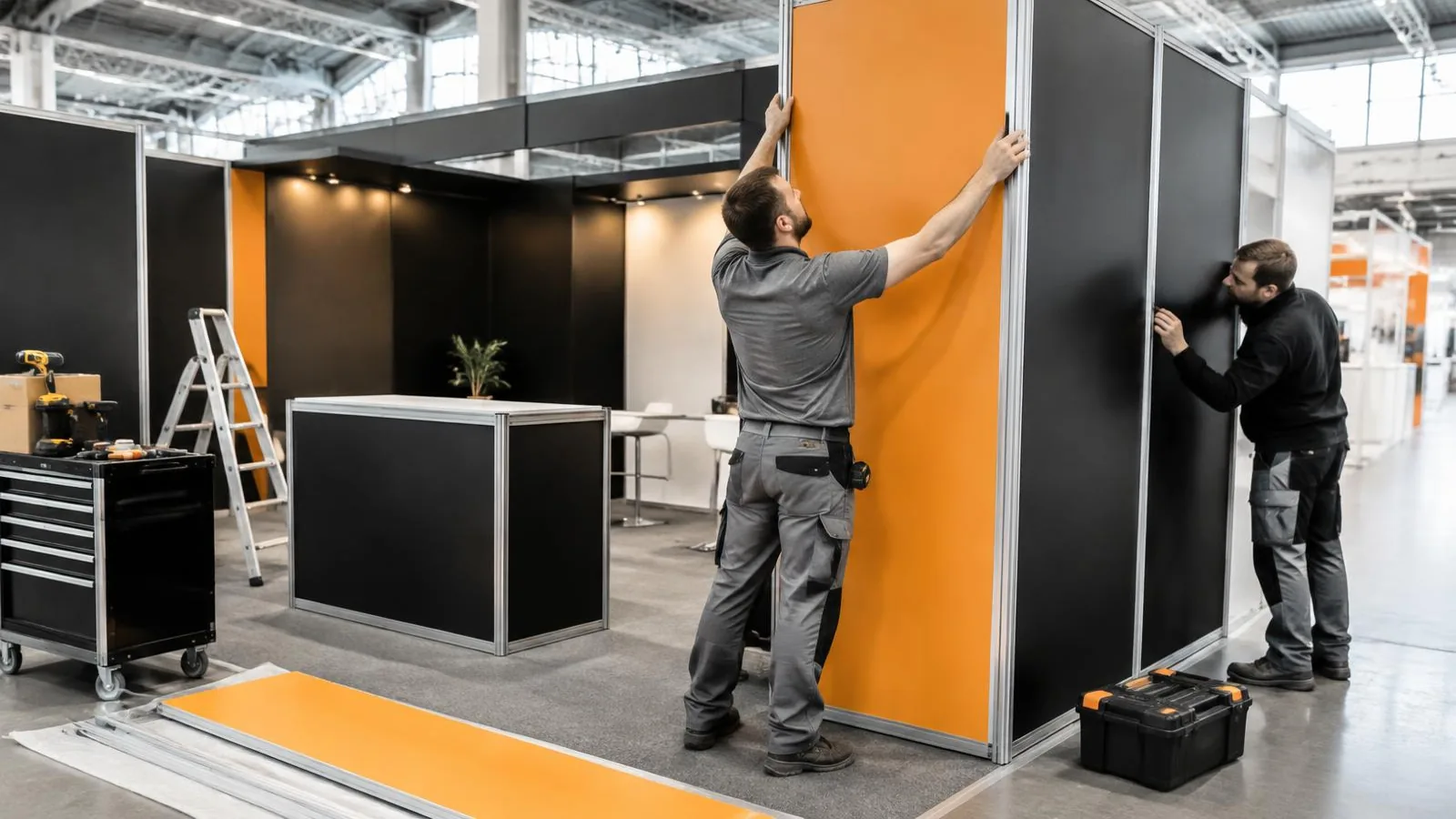
Exhibition stand refurbishment services start with what you already own. A frame, counter or display wall that remains useful can become the foundation of a fresh presentation, while worn finishes and outdated graphics are replaced. The Concept WLL brings exhibition stand design, fabrication and production coordination to the task. Our Bahrain headquarters and Riyadh production capability support project planning across Saudi Arabia and the GCC. The recommendation follows the condition of your existing components, the next booked space and your commercial objectives, rather than an assumption that everything needs to be replaced.
This service is for exhibitors returning to a show, teams updating their brand, agencies inheriting stand assets and businesses preparing a different product range. An existing stand does not need to look identical at every event. Carefully chosen interventions can change how visitors enter, what they notice and where conversations happen. Share photographs, previous drawings and the current organiser manual so we can distinguish cosmetic work from changes that need fresh technical review. Your quotation should identify retained parts, new fabrication and the responsibilities needed to bring both together.
Assess the existing stand before committing to changes
Begin with a component review rather than a new visual concept. Identify the structure, panels, counters, lighting, fittings and graphics that are available, then compare their condition with the intended use. Photographs help establish an initial direction, but connections, damaged edges and hidden surfaces may need inspection before a final scope is agreed. Record missing fixings and previous repairs so they do not become surprises during installation. Where drawings are incomplete, confirm critical dimensions before promising that a wall or counter will fit the new layout. This assessment gives procurement a practical distinction between assets worth retaining, elements needing repair and components best replaced.
Refresh exhibition graphics and brand messaging
An exhibition booth branding refresh can concentrate on the parts visitors read first: the main identification wall, counter frontage, product messages and wayfinding. Check final artwork against the actual panel dimensions, print method and fixing system. A previous design file is not automatically ready for reuse if your positioning, products or bilingual messaging has changed. Separate removable graphics from structural surfaces where practical, allowing future updates without damaging the underlying joinery. Review colour references and surface finish together because the same artwork can appear different on fabric, vinyl or a rigid panel. Approve content and production files before printing, with responsibility for translated wording clearly assigned.
Repair finishes without disguising structural problems
Finish repairs can include replacing damaged laminate, repainting appropriate surfaces, renewing edge details or refacing a counter. They should follow an inspection of the substrate beneath them. Covering a damaged connection with a new decorative panel does not establish that it is suitable for another exhibition. Structural improvements need the relevant technical review, particularly where a revised layout changes loads, heights or support positions. Lighting and electrical components also need condition checks by the appropriate team. The aim is a coherent, presentable stand built from components that remain suitable for their intended role, not a cosmetic treatment that hides unresolved construction issues.
Reconfigure an existing booth for a different plot
A new plot can change every practical assumption in the old layout. An island, corner or inline stand offers different entrance points and permissible wall positions. Review open sides, visitor circulation, demonstration space and storage against the current allocation before reusing a familiar drawing. A large backdrop may need to become separate modules; a reception counter may move to keep an entrance clear. Retained elements can be combined with new infill panels or purpose-built displays where this produces a sensible result. If the existing kit cannot meet the new footprint without compromising access or function, compare a selective rebuild with a new stand instead of forcing unsuitable pieces into place.
Update product displays, lighting and meeting areas
Refurbishment should address what your team now needs to do, not only how the stand looks. A new product may require a different counter depth, secure mounting or better task lighting. A busier meeting programme might justify seating changes or a more defined discussion area. Keep operational equipment, cables and everyday supplies accessible without making them the centre of the display. Where screens or other AV are added, establish dimensions, mounting details, power requirements and playback responsibility before joinery is released. Retaining an existing wall is useful only if it can support the agreed presentation and be integrated safely with the new elements.
Refurbish or build new: compare the full project
The decision is not settled by the price of replacement graphics alone. Compare assessment, repair, adaptations, packing, transport and installation with the scope of a fresh build. Retained components may reduce new fabrication, but badly damaged finishes or a radically different plot can make refurbishment less attractive. Consider the remaining usefulness of the assets after this event and whether another configuration is realistically expected. A hybrid approach often deserves consideration: retain viable frames and counters while commissioning a new feature display. Ask for a clear recommendation and itemised scope so your team can judge the options without relying on a promised percentage saving or an assumed environmental result.
Coordinate refurbishment for Saudi, Bahrain and UAE shows
Your exact venue and edition determine the access window, drawing requirements and contractor arrangements. A stand previously accepted at one exhibition should still be checked against the next organiser manual. Planning for Riyadh, Jeddah, Manama or Dubai starts with confirmed dates, venue access and the location of the retained assets. Agree where inspection and refurbishment will happen and when components must leave for installation. Cross-border movement, if required, should be reviewed with the appointed logistics specialists using the real shipment details. The Concept coordinates the exhibition work within the agreed project scope; venue approvals and official services remain subject to the relevant organiser processes.
Prepare a brief that makes the quotation useful
Send the next show name, venue, stand allocation and access dates together with photographs of the assembled stand and stored components. Include any existing production drawings, inventory and packing information, plus brand guidelines and the objectives that have changed since the last event. Explain which assets must be retained and which can be reconsidered. A budget range, artwork approval deadline and internal decision date help shape a workable sequence. The resulting proposal should distinguish repairs, replacement graphics, new construction, installation and post-show handling. Use the existing homepage enquiry form to discuss the project, including any inspection or asset access needed before pricing can be finalised.
Scope to agree for your project
- Condition and dimension review of the available exhibition stand assets
- A retained, repaired and replaced component schedule
- Updated booth layout and brand presentation for your booked plot
- Replacement graphics and agreed finish repairs
- New joinery or display components where required
- Technical submission and installation coordination within the agreed scope
From your brief to project handover
Review the assets
Share photographs, inventory, drawings and the next organiser manual. We identify the checks needed before a refurbishment scope can be confirmed.
Define priorities
Agree the commercial objectives, must-retain components and practical changes. Compare selective refurbishment with new fabrication where both are viable.
Approve the design
Review revised layouts, materials and artwork. Confirm technical dependencies before production and clearly record which existing parts remain in use.
Refurbish and check
Carry out agreed repairs and replacement work, with interface checks between retained and new elements before they are dispatched.
Install and hand over
Coordinate installation against the confirmed access window and provide the agreed handover for your team, including any remaining operating responsibilities.
Exhibition Stand Refurbishment Services: questions answered
Can you refurbish a stand originally built by another contractor?
We can review it for an agreed refurbishment project. Share photographs, drawings, ownership information and a component inventory. Suitability depends on condition, construction details and access for inspection; it cannot be confirmed from a single finished photograph.
Can we update the graphics without rebuilding the stand?
Often that is a practical option where the frame and fixing surfaces remain suitable. Artwork, dimensions and print specifications need checking, and damaged underlying panels may still need replacement.
Will refurbishment always cost less than a new build?
No. Repair work, adaptation to a different plot, transport and installation all affect the comparison. We assess the actual components and next-show requirements rather than promising a fixed saving.
Can an existing stand fit a smaller exhibition space?
A modular kit may adapt through a revised configuration. Bespoke elements can be more restrictive. The new plot, open sides and access requirements determine what can be retained and whether new components are needed.
Do structural upgrades need organiser review?
Changes affecting structure, heights, loads or technical systems should follow the current organiser requirements and appropriate technical checks. Previous acceptance at another show does not remove those dependencies.
What should we send to discuss refurbishment?
Use the homepage enquiry form and include photographs, inventory, available drawings, next-show venue and dates, booked plot, new brand assets and your budget range. We can then identify the inspection and scope questions that matter.
Related pages
- Exhibition stand design and build
- Reusable stand design for multi-show programmes
- Riyadh exhibition and production planning
- Exhibition stand services in Manama
- Exhibition stand services in Dubai
- Exhibition Booth Dismantling and Storage
- Exhibition Stand Transport and Logistics Management
- Trade Show Meeting Room and Private Lounge Construction
- Custom Product Demonstration Booth Design
- Discuss your exhibition project
Photo: AI-generated illustration